


How does a Broadband Remote Access Server (BRAS) achieve unified authentication and refined management of broadband users through PPPoE access technology?
Release Time : 2026-06-24
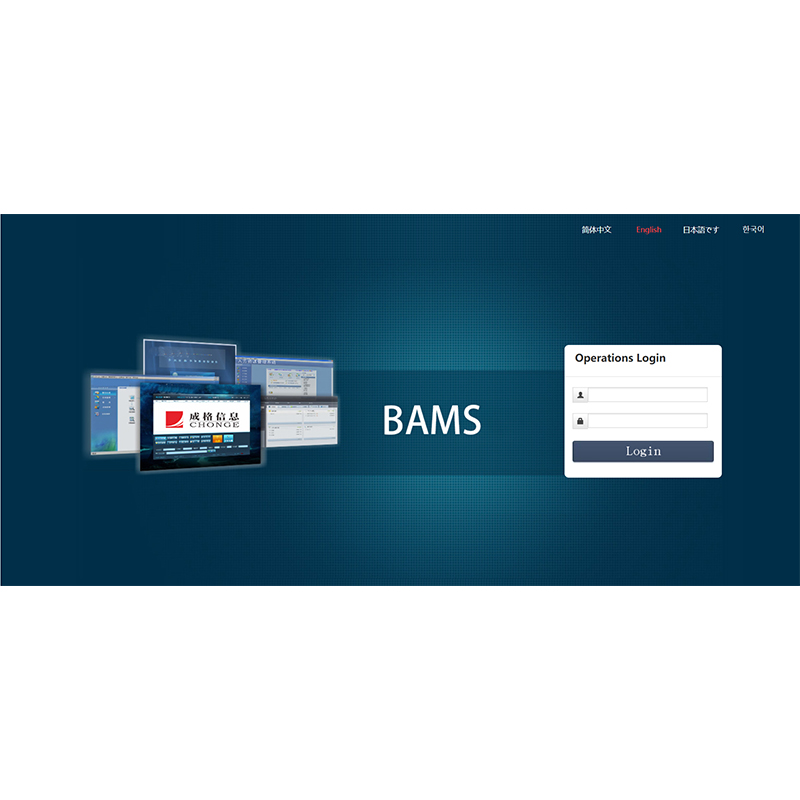
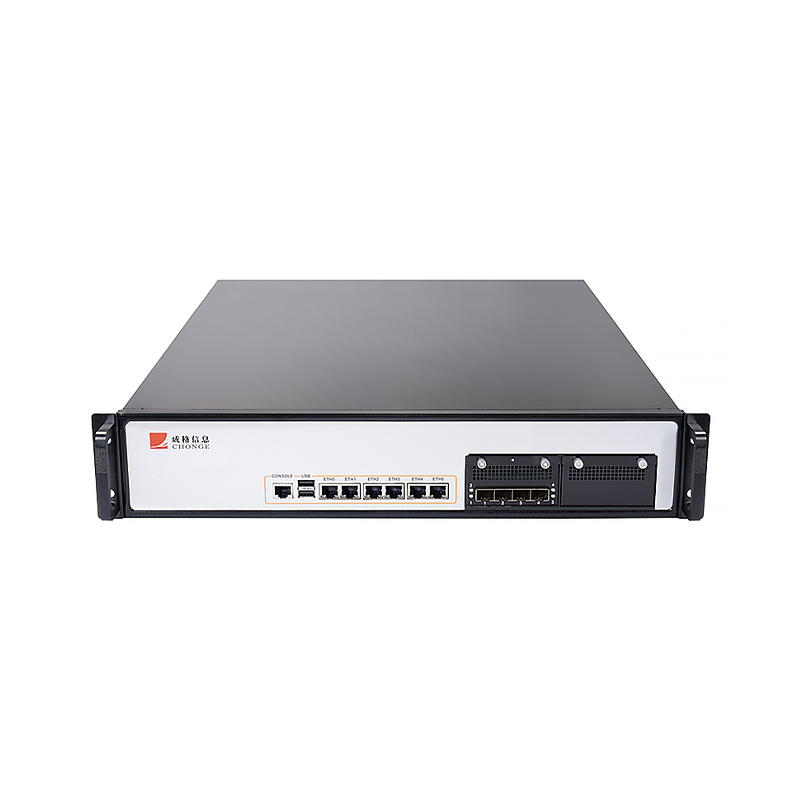
In modern broadband network construction, the number of users is constantly increasing, and network operators are placing higher demands on access security, user management efficiency, and business operation capabilities. As a crucial core device in broadband access networks, the BRAS undertakes key tasks such as user authentication, session management, traffic control, and billing management. Among these, PPPoE (Point-to-Point Protocol over Ethernet) access technology, with its mature stability, ease of management, and support for authentication and billing, is widely used in Internet Service Providers (ISPs), campus networks, and enterprise broadband access scenarios. Through PPPoE technology, the BRAS can achieve unified authentication and refined management of broadband users, improving network operation efficiency and service quality.
1. Establishing a Unified User Identity Authentication Mechanism
In PPPoE access mode, users need to enter a unique account and password for identity verification when connecting to the network. After receiving the authentication request initiated by the user, the BRAS interacts with the backend authentication server to verify the user's identity. Only users who pass authentication can obtain network access permissions. A unified authentication mechanism not only improves network access security but also effectively prevents unauthorized users from consuming network resources.
2. Achieves Precise Control of User Access Permissions
Different users often possess different service permissions and levels. The BRAS can accurately identify user identities through PPPoE authentication information and automatically allocate corresponding network permissions based on backend policies. For example, ordinary users, advanced users, or enterprise leased line users can obtain different bandwidth resources and access permissions. Through this granular control method, network resources can be utilized more rationally.
3. Supports Flexible Billing and Operation Management
PPPoE technology inherently supports user session management and online time statistics. The BRAS can record user online time, offline time, traffic usage, and network behavior data in real time and transmit relevant information to the billing system. Operators can implement various models such as time-based billing, traffic-based billing, or package billing according to business needs, improving operational flexibility and commercial value.
4. Enhances User Session Management Capabilities
In large-scale broadband network environments, the BRAS needs to manage a large number of online users simultaneously. PPPoE technology establishes an independent session connection for each user, enabling the BRAS to accurately grasp the online status of each user. When a user goes online, offline, or experiences an abnormal disconnection, the system can promptly update session information and release resources. A robust session management mechanism helps ensure network stability and user experience.
5. Achieve Fine-grained Control of Bandwidth and Quality of Service
To meet the needs of different user groups, the BRAS can implement differentiated bandwidth management strategies based on PPPoE authentication results. For example, it can allocate higher bandwidth resources to enterprise users and provide standard access services to ordinary home users. Simultaneously, the BRAS can combine QoS policies to prioritize video, voice, and data services, ensuring the transmission quality of critical services and achieving more refined network service management.
6. Enhance Network Security and Operational Efficiency
Through PPPoE access technology, the BRAS enables traceable user identity management. Each user's access behavior corresponds to a unique account, facilitating troubleshooting, security auditing, and abnormal behavior analysis by network operators. In the event of a network attack or unauthorized access, the relevant user can be quickly located, improving network security management and operational efficiency.
In summary, BRAS, through PPPoE access technology, achieves unified and refined management in areas such as user authentication, access control, billing management, session maintenance, and bandwidth scheduling. This technology not only improves the security and operational efficiency of broadband networks but also provides crucial support for internet service providers, campus networks, and enterprise networks to build stable, efficient, and sustainable broadband access platforms.
1. Establishing a Unified User Identity Authentication Mechanism
In PPPoE access mode, users need to enter a unique account and password for identity verification when connecting to the network. After receiving the authentication request initiated by the user, the BRAS interacts with the backend authentication server to verify the user's identity. Only users who pass authentication can obtain network access permissions. A unified authentication mechanism not only improves network access security but also effectively prevents unauthorized users from consuming network resources.
2. Achieves Precise Control of User Access Permissions
Different users often possess different service permissions and levels. The BRAS can accurately identify user identities through PPPoE authentication information and automatically allocate corresponding network permissions based on backend policies. For example, ordinary users, advanced users, or enterprise leased line users can obtain different bandwidth resources and access permissions. Through this granular control method, network resources can be utilized more rationally.
3. Supports Flexible Billing and Operation Management
PPPoE technology inherently supports user session management and online time statistics. The BRAS can record user online time, offline time, traffic usage, and network behavior data in real time and transmit relevant information to the billing system. Operators can implement various models such as time-based billing, traffic-based billing, or package billing according to business needs, improving operational flexibility and commercial value.
4. Enhances User Session Management Capabilities
In large-scale broadband network environments, the BRAS needs to manage a large number of online users simultaneously. PPPoE technology establishes an independent session connection for each user, enabling the BRAS to accurately grasp the online status of each user. When a user goes online, offline, or experiences an abnormal disconnection, the system can promptly update session information and release resources. A robust session management mechanism helps ensure network stability and user experience.
5. Achieve Fine-grained Control of Bandwidth and Quality of Service
To meet the needs of different user groups, the BRAS can implement differentiated bandwidth management strategies based on PPPoE authentication results. For example, it can allocate higher bandwidth resources to enterprise users and provide standard access services to ordinary home users. Simultaneously, the BRAS can combine QoS policies to prioritize video, voice, and data services, ensuring the transmission quality of critical services and achieving more refined network service management.
6. Enhance Network Security and Operational Efficiency
Through PPPoE access technology, the BRAS enables traceable user identity management. Each user's access behavior corresponds to a unique account, facilitating troubleshooting, security auditing, and abnormal behavior analysis by network operators. In the event of a network attack or unauthorized access, the relevant user can be quickly located, improving network security management and operational efficiency.
In summary, BRAS, through PPPoE access technology, achieves unified and refined management in areas such as user authentication, access control, billing management, session maintenance, and bandwidth scheduling. This technology not only improves the security and operational efficiency of broadband networks but also provides crucial support for internet service providers, campus networks, and enterprise networks to build stable, efficient, and sustainable broadband access platforms.