



How does an OLT improve data transmission efficiency between fiber optic and IP networks through photoelectric conversion technology?
Release Time : 2026-06-10
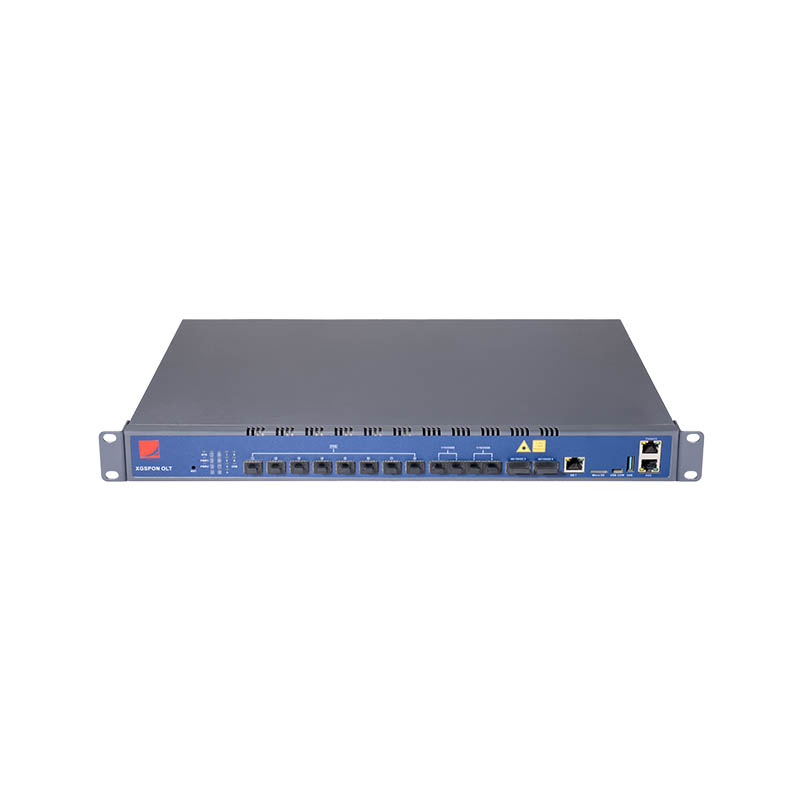
In modern communication networks, fiber optic access technology has become a crucial foundation for high-speed broadband services. As a core device in Passive Optical Networks (PON), the Optical Line Terminal (OLT) plays a vital role in connecting fiber optic and IP networks. Photoelectric conversion technology is a key element in enabling efficient data transmission in the OLT. By rapidly and accurately converting optical signals into electrical signals, the OLT can facilitate data exchange between fiber optic and IP networks, thereby improving overall communication efficiency and network performance.
1. Photoelectric Conversion Enables Network Interoperability
Fiber optic networks primarily use optical signals for data transmission, while IP network devices such as switches, routers, and servers process data using electrical signals. Because the two networks use different signal formats, photoelectric conversion technology is essential for information exchange. The OLT incorporates high-performance optical modules and signal processing units, converting electrical signals from the core network into optical signals for transmission to the user-side ONU, and simultaneously converting optical signals uploaded by the ONU into electrical signals for transmission to the IP network, achieving seamless connectivity between the two networks.
2. Improved Data Transmission Speed
Fiber optic cables offer advantages such as high bandwidth, low loss, and strong anti-interference capabilities, which OLTs can fully leverage through efficient photoelectric conversion technology. During data transmission, the OLT can quickly complete signal conversion and data forwarding, significantly reducing latency in information processing. Compared to traditional copper cable networks, fiber optic networks can support higher data rates, meeting the high-speed network demands of high-definition video, cloud computing, online office, and big data applications.
3. Reduced Transmission Loss and Bit Error Rate
In long-distance communication environments, signal attenuation and interference can affect data transmission quality. Fiber optics, using optical signal transmission, effectively avoids electromagnetic interference. The OLT uses a high-precision photoelectric conversion module to receive and recover signals, ensuring data integrity and accuracy during transmission. A lower bit error rate not only improves network stability but also reduces data retransmissions, thereby improving overall transmission efficiency.
4. Support for Large-Scale User Access
One of the key advantages of PON networks is their ability to serve a large number of users through a single fiber. The OLT utilizes photoelectric conversion technology to uniformly process and schedule uplink and downlink data, enabling multiple users to share network resources. Through efficient data aggregation and distribution mechanisms, OLTs can meet the simultaneous access needs of a large number of users while ensuring transmission efficiency, providing reliable support for smart parks, enterprise networks, and broadband access scenarios.
5. Optimizing Resource Utilization with Dynamic Bandwidth Management
In practical applications, different users have varying bandwidth resource requirements. OLTs combine optoelectronic conversion technology and dynamic bandwidth allocation mechanisms to intelligently manage data traffic. When network load changes, the system can automatically adjust bandwidth resource configuration, prioritizing the transmission needs of important services. This intelligent scheduling method improves network resource utilization and further enhances data transmission efficiency.
6. Enhancing Network Operation and Maintenance Management
Modern OLTs not only have signal conversion functions but also integrate monitoring, diagnostic, and management capabilities. By monitoring optical power, link status, and equipment operation in real time, OLTs can promptly detect and handle anomalies. Efficient operation and maintenance management mechanisms help reduce network downtime, ensure continuous and stable data transmission, and thus improve the overall network service quality.
In summary, OLTs achieve efficient interconnection between fiber optic networks and IP networks through optoelectronic conversion technology. It plays a vital role in improving transmission speed, reducing bit error rate, supporting large-scale access, optimizing bandwidth allocation, and enhancing network management capabilities. With the continuous development of fiber optic communication technology, OLT will continue to promote the construction of high-speed networks, providing a more stable, efficient, and reliable communication infrastructure for the digital society.
1. Photoelectric Conversion Enables Network Interoperability
Fiber optic networks primarily use optical signals for data transmission, while IP network devices such as switches, routers, and servers process data using electrical signals. Because the two networks use different signal formats, photoelectric conversion technology is essential for information exchange. The OLT incorporates high-performance optical modules and signal processing units, converting electrical signals from the core network into optical signals for transmission to the user-side ONU, and simultaneously converting optical signals uploaded by the ONU into electrical signals for transmission to the IP network, achieving seamless connectivity between the two networks.
2. Improved Data Transmission Speed
Fiber optic cables offer advantages such as high bandwidth, low loss, and strong anti-interference capabilities, which OLTs can fully leverage through efficient photoelectric conversion technology. During data transmission, the OLT can quickly complete signal conversion and data forwarding, significantly reducing latency in information processing. Compared to traditional copper cable networks, fiber optic networks can support higher data rates, meeting the high-speed network demands of high-definition video, cloud computing, online office, and big data applications.
3. Reduced Transmission Loss and Bit Error Rate
In long-distance communication environments, signal attenuation and interference can affect data transmission quality. Fiber optics, using optical signal transmission, effectively avoids electromagnetic interference. The OLT uses a high-precision photoelectric conversion module to receive and recover signals, ensuring data integrity and accuracy during transmission. A lower bit error rate not only improves network stability but also reduces data retransmissions, thereby improving overall transmission efficiency.
4. Support for Large-Scale User Access
One of the key advantages of PON networks is their ability to serve a large number of users through a single fiber. The OLT utilizes photoelectric conversion technology to uniformly process and schedule uplink and downlink data, enabling multiple users to share network resources. Through efficient data aggregation and distribution mechanisms, OLTs can meet the simultaneous access needs of a large number of users while ensuring transmission efficiency, providing reliable support for smart parks, enterprise networks, and broadband access scenarios.
5. Optimizing Resource Utilization with Dynamic Bandwidth Management
In practical applications, different users have varying bandwidth resource requirements. OLTs combine optoelectronic conversion technology and dynamic bandwidth allocation mechanisms to intelligently manage data traffic. When network load changes, the system can automatically adjust bandwidth resource configuration, prioritizing the transmission needs of important services. This intelligent scheduling method improves network resource utilization and further enhances data transmission efficiency.
6. Enhancing Network Operation and Maintenance Management
Modern OLTs not only have signal conversion functions but also integrate monitoring, diagnostic, and management capabilities. By monitoring optical power, link status, and equipment operation in real time, OLTs can promptly detect and handle anomalies. Efficient operation and maintenance management mechanisms help reduce network downtime, ensure continuous and stable data transmission, and thus improve the overall network service quality.
In summary, OLTs achieve efficient interconnection between fiber optic networks and IP networks through optoelectronic conversion technology. It plays a vital role in improving transmission speed, reducing bit error rate, supporting large-scale access, optimizing bandwidth allocation, and enhancing network management capabilities. With the continuous development of fiber optic communication technology, OLT will continue to promote the construction of high-speed networks, providing a more stable, efficient, and reliable communication infrastructure for the digital society.