


How can OLT achieve multi-user fiber optic access management in an enterprise LAN using an optical splitter?
Release Time : 2026-05-06
In enterprise LANs, the OLT (Optical Line Terminal) serves as the core device of the fiber optic access network, playing a crucial role in connecting the core network with user-side equipment. Its process of managing multi-user fiber optic access through optical splitters is a comprehensive technical system involving optical signal distribution, bandwidth scheduling, user management, and network topology optimization. This system not only improves network coverage efficiency but also reduces operational complexity through centralized management, becoming an important technical path for enterprises to build high-bandwidth, low-latency LANs.
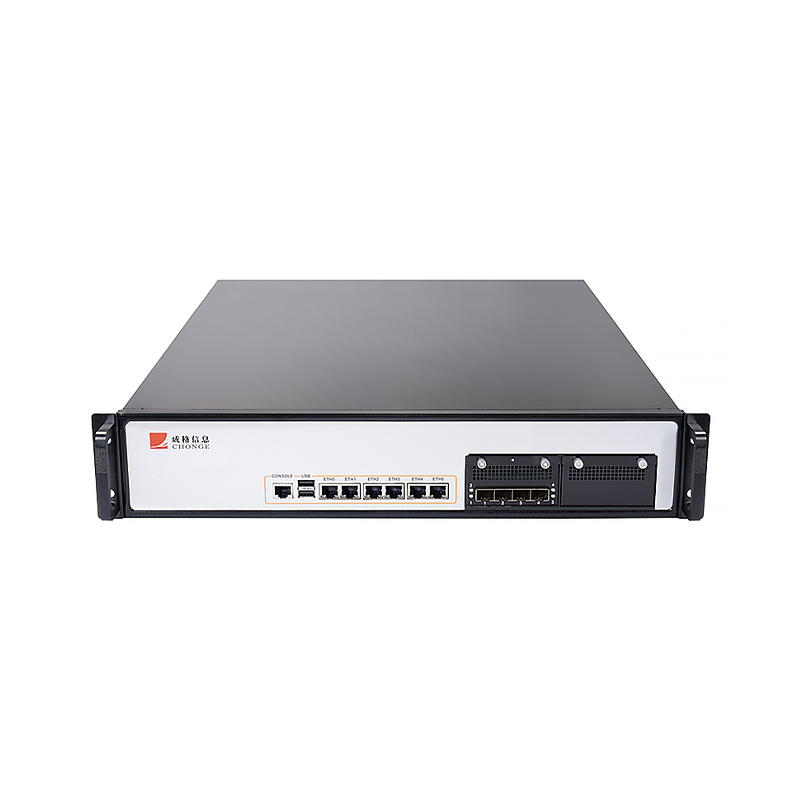
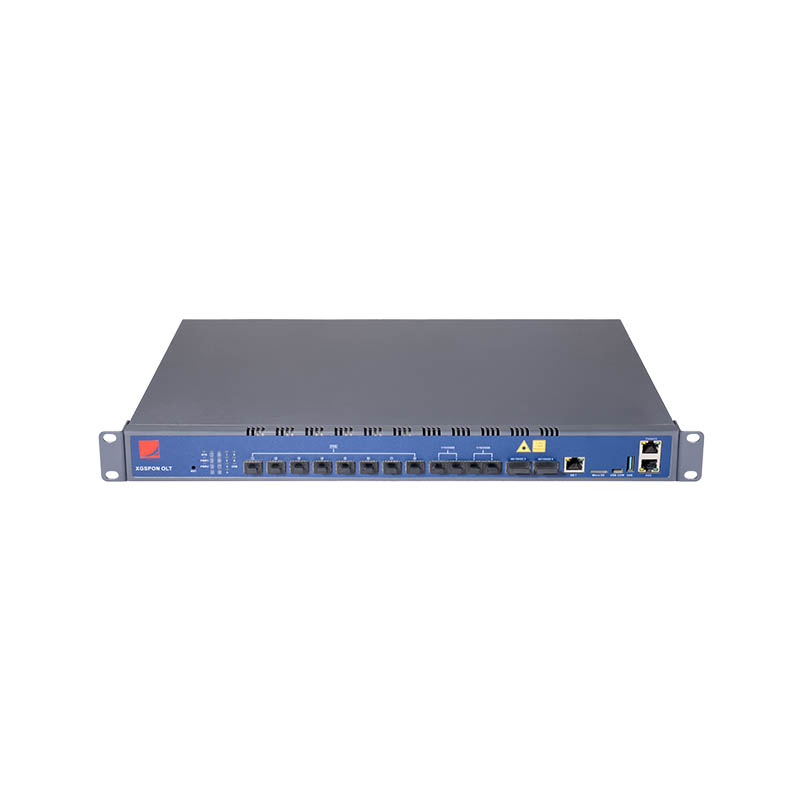
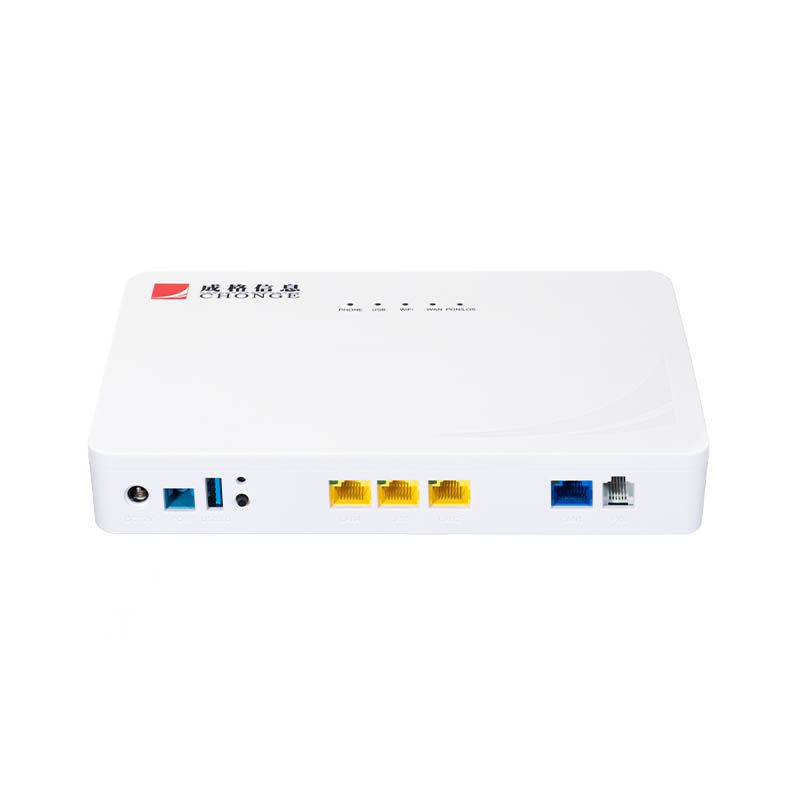
One of the core functions of the OLT is the conversion and distribution of optical signals. In enterprise LANs, the OLT is typically deployed in the server room or low-voltage room. Its uplink interface connects to the core switch or router via optical fiber, receiving data streams from the enterprise intranet or the Internet. In the downlink direction, the OLT converts electrical signals into optical signals and distributes the optical signals from a single fiber to multiple branch fibers through optical splitters. Each branch connects to one or more ONUs (Optical Network Units). As passive devices, optical splitters can distribute optical power evenly or unevenly without external power. Their splitting ratio (e.g., 1:8, 1:16) determines the number of users a single fiber can support. This "one-to-many" architecture significantly reduces fiber usage and cabling costs, while centralized deployment improves network scalability.
Optical splitter deployment must be tailored to the physical topology and service requirements of the enterprise's LAN. In large campuses or office buildings, a two-stage splitting structure is typically used: a primary splitter is deployed at the building's aggregation point, distributing the backbone fiber's optical signal to each floor; a secondary splitter further distributes the signal to specific rooms or workstations. This layered design ensures signal coverage while reducing optical power loss by shortening branch fiber lengths. For example, one enterprise campus used a combination of a 1:4 primary splitter and a 1:8 secondary splitter to achieve access capability for 32 terminals per PON port, while ensuring the optical power of the furthest terminal remains above -27dBm, meeting the requirements of high-speed data transmission.
OLT's management of multi-user access is also reflected in its Dynamic Bandwidth Allocation (DBA) mechanism. Because different users in an enterprise LAN have different business needs (e.g., video conferencing requires high bandwidth, email transmission requires low latency), the OLT needs to dynamically adjust the uplink time slots of each ONU based on real-time traffic. Through ranging technology, the OLT accurately calculates the transmission latency of each ONU, avoiding data conflicts; simultaneously, based on the T-CONT (transmission container) bandwidth authorization mechanism, the OLT can allocate priorities to different service types, ensuring the QoS of critical services (such as VoIP). For example, when an ONU initiates a high-definition video call, the OLT can temporarily increase its bandwidth quota and reclaim the resources after the call ends, achieving elastic utilization of network resources.
User authentication and security management are core aspects of enterprise LAN access control. The OLT implements strict access authentication for each ONU by integrating an AAA (authentication, authorization, and accounting) module. When an ONU registers for the first time, the OLT verifies its MAC address or logical identifier (such as LOID) and distributes configuration files (including VLAN, QoS policies, etc.). During subsequent communication, the OLT continuously monitors the ONU status. If unauthorized access or abnormal traffic is detected, the terminal can be immediately isolated and an alarm triggered. Furthermore, the OLT supports 802.1X-based port security mechanisms and can integrate with the enterprise RADIUS server to bind user accounts to physical ports, further enhancing network security.
At the network maintenance level, the OLT's centralized management significantly simplifies the operation and maintenance process of the enterprise LAN. Through a network management system (such as TP-LINK TUMS), administrators can monitor the real-time operating status of the OLT and its subordinate ONUs, including key indicators such as optical power, bandwidth utilization, and error codes. When a splitter or fiber optic link fails, the OLT can automatically locate the fault point (such as a specific branch fiber or ONU port) and notify maintenance personnel via LED indicators or SNMP traps. In addition, the OLT supports remote software upgrades and configuration backups, allowing administrators to update device firmware without interrupting services, ensuring the network always operates in optimal condition.
From a technological evolution perspective, the collaboration between the OLT and the splitter is developing towards higher density and greater intelligence. With the widespread adoption of 10G PON and 50G PON technologies, the PON port speed of OLTs continues to improve, and the splitting ratio of optical splitters has gradually expanded to 1:128 or even higher, significantly increasing the number of users a single device can support. Simultaneously, the emergence of intelligent optical splitters (such as adjustable splitters) allows for dynamic adjustment of the optical signal allocation ratio, further optimizing network resource utilization. For example, in densely populated areas like enterprise conference rooms, intelligent optical splitters can allocate more optical power to active terminals based on real-time usage, improving user experience.
OLTs, through optical splitters, achieve multi-user fiber access management, not only building an efficient transmission foundation for enterprise LANs but also meeting the stringent requirements of enterprises for network reliability, security, and scalability through centralized and intelligent management and control. As fiber access technology continues to evolve, this architecture will play an even more crucial role in enterprise digital transformation, providing robust network support for emerging businesses such as cloud-based office, IoT, and industrial internet.