


How Do BRAS Devices Enhance Network Management for Small to Medium-sized ISPs?
Release Time : 2026-04-22
In the rapidly evolving landscape of digital connectivity, small and medium-sized Internet Service Providers (ISPs) face the unique challenge of delivering enterprise-grade reliability and performance while operating with constrained resources and budgets. As the demand for high-speed internet access grows in residential and business sectors, the underlying network infrastructure must be robust, scalable, and intelligent. At the heart of this infrastructure lies a critical piece of technology known as the Broadband Remote Access Server (BRAS). This device serves as the aggregation point between the access network and the core IP network, acting as the gateway that manages subscriber sessions, enforces policies, and ensures the seamless delivery of services. For an ISP looking to compete effectively, the deployment of a capable BRAS is not merely a technical requirement but a strategic necessity that defines the quality of the user experience.
The primary function of a BRAS device is to handle the complex task of subscriber management. In a typical broadband environment, users connect to the network using standard protocols such as PPPoE (Point-to-Point Protocol over Ethernet) or IPoE (IP over Ethernet). The BRAS acts as the termination point for these connections, effectively managing the lifecycle of every user session. When a customer attempts to go online, the BRAS intercepts the request and initiates the authentication process. By integrating seamlessly with external Authentication, Authorization, and Accounting (AAA) systems, the device verifies the user's credentials against a central database. This ensures that only legitimate subscribers can access the network, providing a fundamental layer of security and access control that is vital for any commercial operation.
Beyond simple access, the BRAS plays a pivotal role in the monetization and billing aspects of the ISP business. The device is designed to work in tandem with sophisticated billing systems to track usage and enforce service plans. Whether the ISP utilizes a flat-rate model or a usage-based billing structure, the BRAS provides the necessary data and control mechanisms. It supports various authentication methods, including Portal authentication, which is often used in public Wi-Fi hotspots or campus environments to present a login page to the user before granting access. This flexibility allows ISPs to offer diverse service packages, from basic residential internet to premium business tiers, ensuring that customers receive exactly what they pay for.
Quality of Service (QoS) is another area where the BRAS significantly enhances network management. In a shared network environment, bandwidth is a finite resource that must be allocated efficiently to prevent congestion and ensure a consistent experience for all users. The BRAS allows network administrators to define granular traffic policies that prioritize critical applications or guarantee minimum bandwidth levels for specific subscribers. For instance, an ISP can configure the device to prioritize voice over IP (VoIP) traffic or video streaming to reduce latency and jitter, which are common pain points for customers. By managing traffic flow at the edge of the network, the BRAS prevents any single user or application from monopolizing the available capacity, thereby maintaining the overall health and stability of the network.
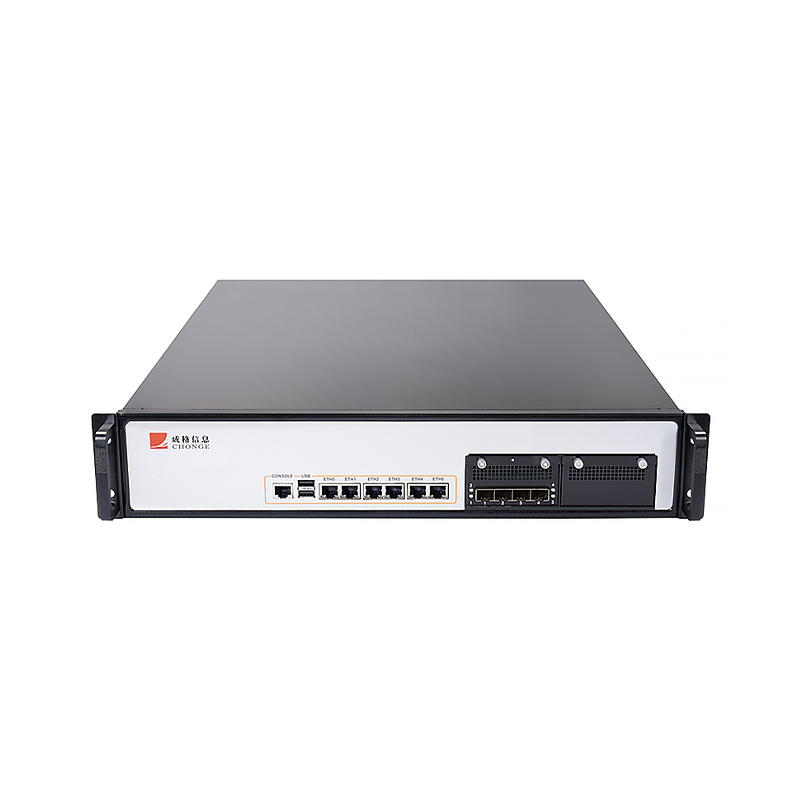
Scalability is a major concern for growing ISPs, and the hardware architecture of modern BRAS devices is designed to accommodate this need. Different models are available to suit varying operational scales, allowing an ISP to select a device that matches its current bandwidth requirements and the number of concurrent users. As the subscriber base expands, the network can be upgraded by deploying higher-capacity models or clustering multiple units together. This modularity ensures that the ISP does not have to over-invest in infrastructure upfront but can instead grow its network capabilities in step with its customer base. This cost-effective approach to scaling is essential for small and medium-sized providers aiming to maximize their return on investment.
The adaptability of BRAS software further distinguishes it as a versatile tool for network management. Unlike rigid, proprietary systems, modern BRAS solutions can often be adapted to run on customer-specific hardware. This flexibility is particularly advantageous for ISPs that have existing hardware investments or specific performance requirements that off-the-shelf solutions may not meet. By decoupling the software from the hardware, ISPs can leverage commercial off-the-shelf servers or specialized appliances, tailoring the physical infrastructure to their unique operational environment. This capability not only reduces capital expenditure but also provides the freedom to innovate and customize the network edge according to specific business logic.
Security remains a paramount concern in broadband networks, and the BRAS serves as a critical enforcement point for security policies. By sitting at the boundary between the untrusted access network and the trusted core, the device can filter traffic, block malicious packets, and prevent unauthorized access attempts. It acts as a gatekeeper, ensuring that the internal network remains shielded from potential threats originating from the subscriber side. Furthermore, the detailed logging and accounting features of the BRAS provide network administrators with the visibility needed to audit network usage and investigate any security incidents. This comprehensive approach to security helps ISPs maintain the integrity of their network and protect their customers' data.
In conclusion, the Broadband Remote Access Server is an indispensable component of the modern broadband ecosystem. It empowers small and medium-sized ISPs to manage their networks with precision, offering a blend of authentication, billing integration, traffic management, and security in a single platform. By abstracting the complexity of subscriber management and providing a flexible, scalable architecture, the BRAS allows service providers to focus on what matters most: delivering high-quality internet services to their customers. As the digital economy continues to expand, the role of the BRAS will remain central to the success and sustainability of broadband operations worldwide.
The primary function of a BRAS device is to handle the complex task of subscriber management. In a typical broadband environment, users connect to the network using standard protocols such as PPPoE (Point-to-Point Protocol over Ethernet) or IPoE (IP over Ethernet). The BRAS acts as the termination point for these connections, effectively managing the lifecycle of every user session. When a customer attempts to go online, the BRAS intercepts the request and initiates the authentication process. By integrating seamlessly with external Authentication, Authorization, and Accounting (AAA) systems, the device verifies the user's credentials against a central database. This ensures that only legitimate subscribers can access the network, providing a fundamental layer of security and access control that is vital for any commercial operation.
Beyond simple access, the BRAS plays a pivotal role in the monetization and billing aspects of the ISP business. The device is designed to work in tandem with sophisticated billing systems to track usage and enforce service plans. Whether the ISP utilizes a flat-rate model or a usage-based billing structure, the BRAS provides the necessary data and control mechanisms. It supports various authentication methods, including Portal authentication, which is often used in public Wi-Fi hotspots or campus environments to present a login page to the user before granting access. This flexibility allows ISPs to offer diverse service packages, from basic residential internet to premium business tiers, ensuring that customers receive exactly what they pay for.
Quality of Service (QoS) is another area where the BRAS significantly enhances network management. In a shared network environment, bandwidth is a finite resource that must be allocated efficiently to prevent congestion and ensure a consistent experience for all users. The BRAS allows network administrators to define granular traffic policies that prioritize critical applications or guarantee minimum bandwidth levels for specific subscribers. For instance, an ISP can configure the device to prioritize voice over IP (VoIP) traffic or video streaming to reduce latency and jitter, which are common pain points for customers. By managing traffic flow at the edge of the network, the BRAS prevents any single user or application from monopolizing the available capacity, thereby maintaining the overall health and stability of the network.
Scalability is a major concern for growing ISPs, and the hardware architecture of modern BRAS devices is designed to accommodate this need. Different models are available to suit varying operational scales, allowing an ISP to select a device that matches its current bandwidth requirements and the number of concurrent users. As the subscriber base expands, the network can be upgraded by deploying higher-capacity models or clustering multiple units together. This modularity ensures that the ISP does not have to over-invest in infrastructure upfront but can instead grow its network capabilities in step with its customer base. This cost-effective approach to scaling is essential for small and medium-sized providers aiming to maximize their return on investment.
The adaptability of BRAS software further distinguishes it as a versatile tool for network management. Unlike rigid, proprietary systems, modern BRAS solutions can often be adapted to run on customer-specific hardware. This flexibility is particularly advantageous for ISPs that have existing hardware investments or specific performance requirements that off-the-shelf solutions may not meet. By decoupling the software from the hardware, ISPs can leverage commercial off-the-shelf servers or specialized appliances, tailoring the physical infrastructure to their unique operational environment. This capability not only reduces capital expenditure but also provides the freedom to innovate and customize the network edge according to specific business logic.
Security remains a paramount concern in broadband networks, and the BRAS serves as a critical enforcement point for security policies. By sitting at the boundary between the untrusted access network and the trusted core, the device can filter traffic, block malicious packets, and prevent unauthorized access attempts. It acts as a gatekeeper, ensuring that the internal network remains shielded from potential threats originating from the subscriber side. Furthermore, the detailed logging and accounting features of the BRAS provide network administrators with the visibility needed to audit network usage and investigate any security incidents. This comprehensive approach to security helps ISPs maintain the integrity of their network and protect their customers' data.
In conclusion, the Broadband Remote Access Server is an indispensable component of the modern broadband ecosystem. It empowers small and medium-sized ISPs to manage their networks with precision, offering a blend of authentication, billing integration, traffic management, and security in a single platform. By abstracting the complexity of subscriber management and providing a flexible, scalable architecture, the BRAS allows service providers to focus on what matters most: delivering high-quality internet services to their customers. As the digital economy continues to expand, the role of the BRAS will remain central to the success and sustainability of broadband operations worldwide.