




How does an OLT serve as the core aggregation device in a POL architecture for smart campuses and hotels?
Release Time : 2026-07-22
In the evolution of modern network infrastructure, the Optical Line Terminal (OLT) has emerged as the indispensable core aggregation device within Passive Optical LAN (POL) architectures, fundamentally transforming how smart campuses and hotels manage their connectivity. Traditional enterprise networks rely on a complex, multi-tiered hierarchy of active copper switches that require extensive power, cooling, and physical space. The OLT disrupts this conventional model by consolidating the aggregation and core switching functions into a single, highly efficient platform, thereby creating a streamlined, future-proof network foundation.
At the heart of its role, the OLT acts as the central command and distribution hub for the entire passive optical network. Positioned in the main equipment room or data center, it connects upstream to the core network and downstream to the Optical Distribution Network (ODN). Through the ODN, which consists entirely of unpowered fiber cables and passive optical splitters, the OLT extends high-bandwidth connectivity directly to the Optical Network Units (ONUs) located at the network edge, such as in individual dorm rooms, hotel suites, or office workstations. This point-to-multipoint architecture eliminates the need for active aggregation switches on every floor or in every building, drastically reducing the number of active electronic devices, power consumption, and potential points of failure.
For smart campuses and hotels, the OLT’s capacity for multi-service convergence is particularly transformative. These environments demand the simultaneous delivery of diverse data streams, including high-speed internet, IP-based voice telephony, IPTV, wireless access points, and IP security surveillance. The OLT seamlessly aggregates and manages all these distinct services over a single strand of fiber. By utilizing advanced dynamic bandwidth allocation and logical isolation, it ensures that bandwidth-intensive applications like high-definition video streaming do not degrade the performance of latency-sensitive services like VoIP or cloud-based learning platforms. This unified infrastructure simplifies network planning and significantly reduces cabling complexity, which is especially beneficial in historic hotel buildings or sprawling university campuses where retrofitting traditional copper networks is prohibitively expensive and disruptive.
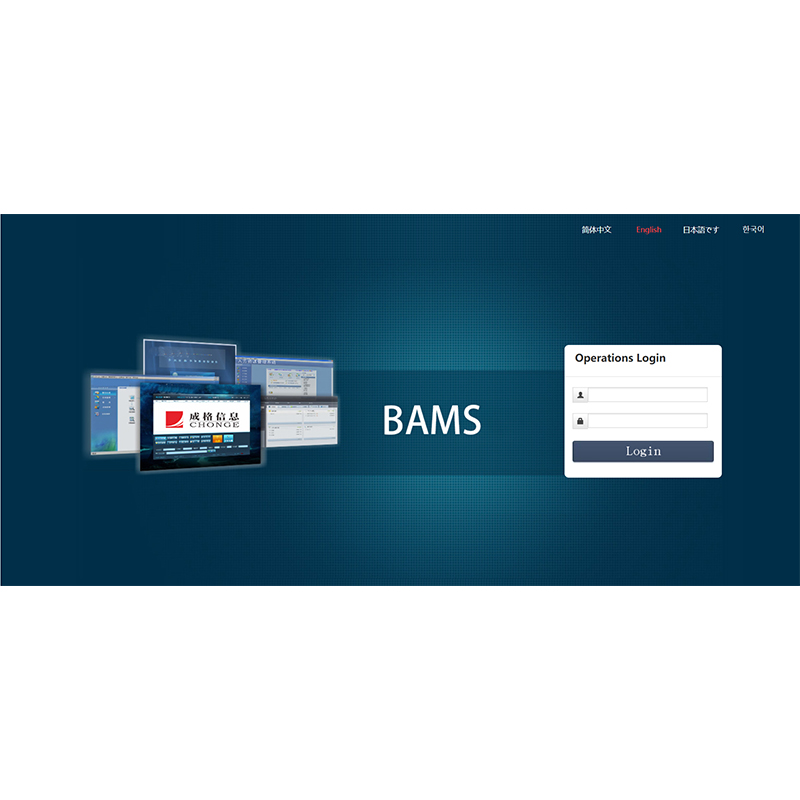
Furthermore, the OLT provides centralized intelligence and management capabilities that are essential for large-scale deployments. Instead of requiring IT staff to configure and maintain hundreds of individual access switches, administrators can manage the entire access layer from a single OLT interface. This centralized control enables automated provisioning of ONUs, meaning that when a new room is activated or a terminal is replaced, the configuration is instantly pushed from the OLT without requiring on-site technical intervention. This plug-and-play efficiency drastically reduces operational expenditures and accelerates service deployment.
Finally, the OLT serves as the engine for network scalability and future evolution. As the bandwidth demands of smart campuses and hotels continue to grow with the advent of Wi-Fi 6, 8K video, and immersive virtual reality learning, the OLT platform supports smooth technological upgrades. By transitioning from GPON to next-generation XG(S)-PON standards, the OLT can exponentially increase network capacity without requiring any changes to the underlying passive fiber infrastructure. This architectural resilience ensures that the network can adapt to future technological demands while maintaining a low total cost of ownership, solidifying the OLT’s position as the vital cornerstone of modern, intelligent enterprise networks.
At the heart of its role, the OLT acts as the central command and distribution hub for the entire passive optical network. Positioned in the main equipment room or data center, it connects upstream to the core network and downstream to the Optical Distribution Network (ODN). Through the ODN, which consists entirely of unpowered fiber cables and passive optical splitters, the OLT extends high-bandwidth connectivity directly to the Optical Network Units (ONUs) located at the network edge, such as in individual dorm rooms, hotel suites, or office workstations. This point-to-multipoint architecture eliminates the need for active aggregation switches on every floor or in every building, drastically reducing the number of active electronic devices, power consumption, and potential points of failure.
For smart campuses and hotels, the OLT’s capacity for multi-service convergence is particularly transformative. These environments demand the simultaneous delivery of diverse data streams, including high-speed internet, IP-based voice telephony, IPTV, wireless access points, and IP security surveillance. The OLT seamlessly aggregates and manages all these distinct services over a single strand of fiber. By utilizing advanced dynamic bandwidth allocation and logical isolation, it ensures that bandwidth-intensive applications like high-definition video streaming do not degrade the performance of latency-sensitive services like VoIP or cloud-based learning platforms. This unified infrastructure simplifies network planning and significantly reduces cabling complexity, which is especially beneficial in historic hotel buildings or sprawling university campuses where retrofitting traditional copper networks is prohibitively expensive and disruptive.
Furthermore, the OLT provides centralized intelligence and management capabilities that are essential for large-scale deployments. Instead of requiring IT staff to configure and maintain hundreds of individual access switches, administrators can manage the entire access layer from a single OLT interface. This centralized control enables automated provisioning of ONUs, meaning that when a new room is activated or a terminal is replaced, the configuration is instantly pushed from the OLT without requiring on-site technical intervention. This plug-and-play efficiency drastically reduces operational expenditures and accelerates service deployment.
Finally, the OLT serves as the engine for network scalability and future evolution. As the bandwidth demands of smart campuses and hotels continue to grow with the advent of Wi-Fi 6, 8K video, and immersive virtual reality learning, the OLT platform supports smooth technological upgrades. By transitioning from GPON to next-generation XG(S)-PON standards, the OLT can exponentially increase network capacity without requiring any changes to the underlying passive fiber infrastructure. This architectural resilience ensures that the network can adapt to future technological demands while maintaining a low total cost of ownership, solidifying the OLT’s position as the vital cornerstone of modern, intelligent enterprise networks.