


In the event of a power outage or fiber optic cable breakage, does the OLT possess link protection switching or rapid fault location capabilities?
Release Time : 2025-12-04
In modern all-optical local area network (POL) architectures, the Optical Line Terminal (OLT), as the central device connecting the core network and user-side Optical Network Units (ONUs), directly determines the service continuity of the entire network. Especially in scenarios with extremely high requirements for communication stability, such as campuses, hotels, or enterprises, a sudden failure such as a power outage or backbone fiber optic cable breakage, if the system lacks an effective response mechanism, will lead to widespread service interruption, affecting the normal operation of teaching, office, and even security systems. Therefore, users naturally care about whether the OLT possesses link protection switching or rapid fault location capabilities to minimize recovery time and ensure user experience.
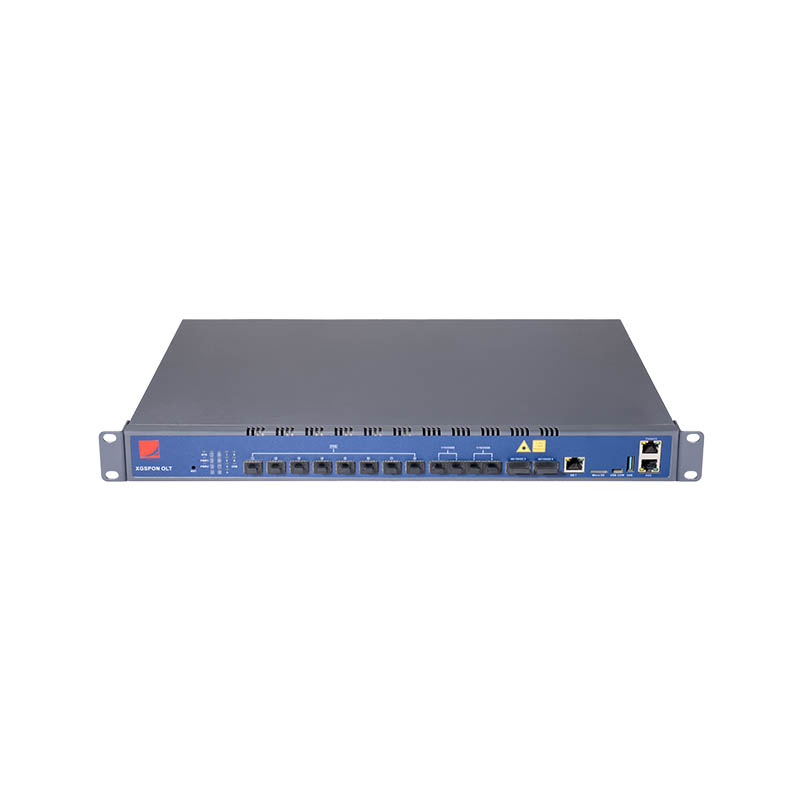
The key to the answer lies in whether it integrates a high-availability architecture and intelligent operation and maintenance mechanisms. Regarding link protection, advanced OLT devices typically support multiple redundancy designs. For example, at the fiber optic layer, dual-homed or ring topologies can be deployed. When the primary optical path fails due to external force damage, loose connectors, or other reasons, the system can automatically switch to the backup path in a very short time, achieving seamless service migration. This switchover is not a simple restart, but a millisecond-level response based on underlying optical signal monitoring and protocol linkage, ensuring uninterrupted video conferencing, online teaching, and access control monitoring.
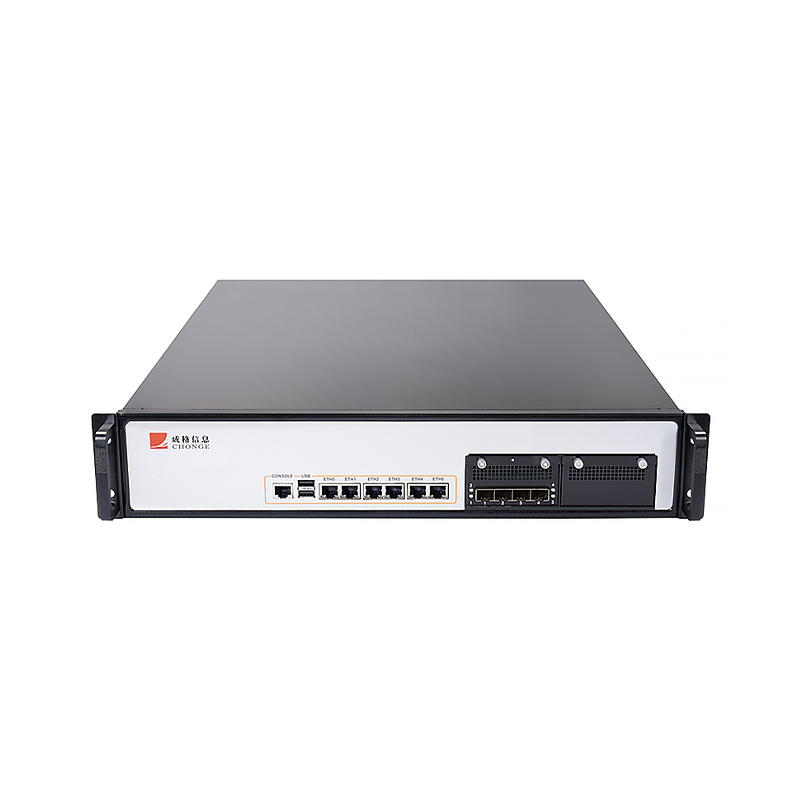
At the power supply layer, OLTs in critical scenarios often support dual power inputs or seamless integration with UPS. Even if the mains power is interrupted, the equipment can still maintain core functions using the backup power supply and orderly notify the network management system to enter emergency mode, avoiding configuration loss or hardware damage due to sudden power failure. Some high-end rack-mounted OLTs even have built-in hot-swappable power modules and fan redundancy, further enhancing the overall resilience.
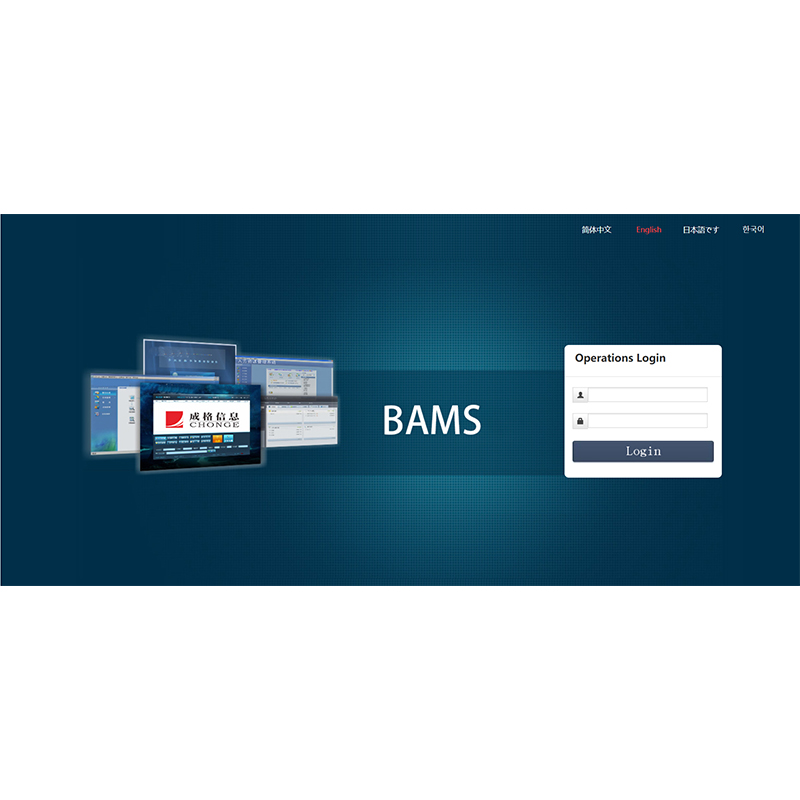
However, protection mechanisms alone are not enough; rapid and accurate fault location is equally crucial. Traditional network troubleshooting often relies on manual segment-by-segment testing, which is time-consuming and labor-intensive. Modern intelligent OLTs typically have built-in optical power detection, ONU online status tracking, and event log analysis functions. When a fiber optic cable breaks, the system can immediately identify the specific PON port, splitter branch, or even a segment of the fiber optic link where the signal is lost, and visually present the fault location and affected area through the network management platform. Maintenance personnel can remotely determine whether the problem is due to external construction damage, connector contamination, or equipment port malfunction without blindly conducting on-site troubleshooting, significantly reducing the average repair time.
Furthermore, some vendors offer alarm classification and automatic work order generation capabilities that integrate with upper-layer maintenance systems. For example, when all ONUs in a dormitory building are detected to be offline simultaneously, the system can automatically determine that there is a fault in the backbone fiber optic cable of that area, push an alarm to the nearest maintenance team, and simultaneously shut down non-critical services in the relevant area to save resources. This closed-loop capability of "perception-judgment-response" enables POL networks to move from "passive emergency repair" to "proactive maintenance."
Of course, the effectiveness of these capabilities also depends on reasonable network planning in the early stages. For example, protection switching requires reserving redundant routes during the ODN (Optical Distribution Network) design phase; fault location accuracy is closely related to the splitter structure and the integrity of ONU registration information. Therefore, excellent OLT vendors should not only provide hardware but also assist customers in building a self-healing all-optical network foundation.
Ultimately, true network reliability lies not in never failing, but in the ability to respond quickly, stably, and accurately when a failure occurs. When the OLT silently switches links in the dark, precisely pinpointing the breakpoint without a sound, it is no longer a cold, impersonal device but a composed guardian of the digital world—ensuring the flow of information continues uninterrupted even in the instant of fiber optic cable breakage. This is the core hallmark of a mature and trustworthy all-optical network: technology operates behind the scenes, service is always online.
The key to the answer lies in whether it integrates a high-availability architecture and intelligent operation and maintenance mechanisms. Regarding link protection, advanced OLT devices typically support multiple redundancy designs. For example, at the fiber optic layer, dual-homed or ring topologies can be deployed. When the primary optical path fails due to external force damage, loose connectors, or other reasons, the system can automatically switch to the backup path in a very short time, achieving seamless service migration. This switchover is not a simple restart, but a millisecond-level response based on underlying optical signal monitoring and protocol linkage, ensuring uninterrupted video conferencing, online teaching, and access control monitoring.
At the power supply layer, OLTs in critical scenarios often support dual power inputs or seamless integration with UPS. Even if the mains power is interrupted, the equipment can still maintain core functions using the backup power supply and orderly notify the network management system to enter emergency mode, avoiding configuration loss or hardware damage due to sudden power failure. Some high-end rack-mounted OLTs even have built-in hot-swappable power modules and fan redundancy, further enhancing the overall resilience.
However, protection mechanisms alone are not enough; rapid and accurate fault location is equally crucial. Traditional network troubleshooting often relies on manual segment-by-segment testing, which is time-consuming and labor-intensive. Modern intelligent OLTs typically have built-in optical power detection, ONU online status tracking, and event log analysis functions. When a fiber optic cable breaks, the system can immediately identify the specific PON port, splitter branch, or even a segment of the fiber optic link where the signal is lost, and visually present the fault location and affected area through the network management platform. Maintenance personnel can remotely determine whether the problem is due to external construction damage, connector contamination, or equipment port malfunction without blindly conducting on-site troubleshooting, significantly reducing the average repair time.
Furthermore, some vendors offer alarm classification and automatic work order generation capabilities that integrate with upper-layer maintenance systems. For example, when all ONUs in a dormitory building are detected to be offline simultaneously, the system can automatically determine that there is a fault in the backbone fiber optic cable of that area, push an alarm to the nearest maintenance team, and simultaneously shut down non-critical services in the relevant area to save resources. This closed-loop capability of "perception-judgment-response" enables POL networks to move from "passive emergency repair" to "proactive maintenance."
Of course, the effectiveness of these capabilities also depends on reasonable network planning in the early stages. For example, protection switching requires reserving redundant routes during the ODN (Optical Distribution Network) design phase; fault location accuracy is closely related to the splitter structure and the integrity of ONU registration information. Therefore, excellent OLT vendors should not only provide hardware but also assist customers in building a self-healing all-optical network foundation.
Ultimately, true network reliability lies not in never failing, but in the ability to respond quickly, stably, and accurately when a failure occurs. When the OLT silently switches links in the dark, precisely pinpointing the breakpoint without a sound, it is no longer a cold, impersonal device but a composed guardian of the digital world—ensuring the flow of information continues uninterrupted even in the instant of fiber optic cable breakage. This is the core hallmark of a mature and trustworthy all-optical network: technology operates behind the scenes, service is always online.